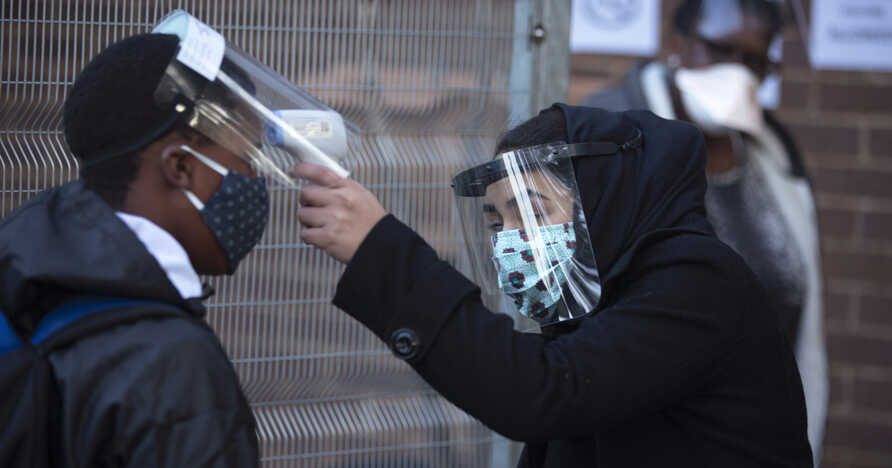
It has been a week since Grade 7 and Grade 12 pupils returned to school, and whilst parents have not been forced to send their children back to school during the Covid-19 pandemic, some parents have said that they are not taking any chances and want to keep their children at home for longer.
Many parents whose children have not yet returned to school remain fearful and anxious about their children’s safety and protection against the Coronavirus once they return to school. Whilst it is impossible to guarantee protection against the virus, many parents want reassurances that the necessary precautions have been put in place to protect their children.
It is unfortunate that whilst parents grapple with the dilemma of whether it is safe for their children to return to school, divorced or separated parents may have differing views on the subject. One parent for example may have the view that their child or children should return to school, whilst the other may feel it is not safe for their child or children to return to school. The conflict that arises is a reality for many divorced families, and only adds fuel to the fire at a time when stress levels and parents’ fears are escalated as a result of the COVID-19 pandemic.
Both parents have what is termed parental rights and responsibilities in respect of their children. This means that parents are required to discuss with each other about major long-term decisions in terms of their children, which includes their child or children’s education.
In an ideal world, parents should try and consult with each other and come to an agreement, which is in the children’s best interest; in reality this is not always possible.
For your questions and queries in respect to your parental rights and responsibilities contact our offices. We are here to help you!
Image – AP
Author – Kate Bailey – Hill