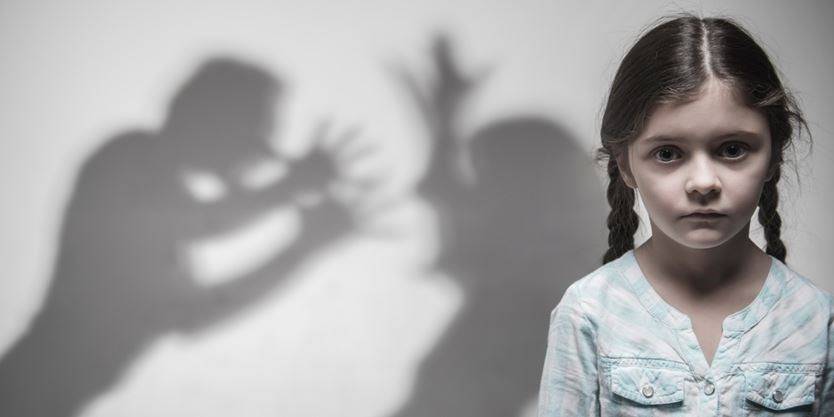
Domestic violence forms
Domestic Violence comes in many forms, it does not always mean that the abuse is physical. For example, domestic violence may be in the form of verbal abuse, emotional abuse, physical abuse, financial abuse, or sexual abuse. As a parent you may have been in an abusive relationship, or you are currently in an abusive relationship.
There are unfortunately many children who witness domestic violence first-hand, and the long-lasting psychological effects on these children can be devastating. For example, children may learn the wrong lessons about relationships and repeat what they have witnessed in an abusive relationship with their friends or partners.
Children’s response to domestic violence
It is important to note that children may respond to witnessing violence in different ways such as:
- They may become depressed
- They may have problems sleeping, which may also include nightmares and flashbacks
- They may develop eating disorders
- They may start taking drugs or drinking alcohol
- They may develop behavioural issues
- They may start complaining of physical symptoms such as a sore stomach
- They may develop feelings of anger, guilt, confusion and become insecure in themselves
Recovery from domestic violence
Most children who live with domestic violence are able to recover from their experiences. Supporting children such as helping them feel safe, and secure and talking to them about their fears may promote your children’s recovery. Taking steps to get professional help to assist in turning negative thoughts and fears into more positive ones, as well as ways to cope with stress are very beneficial in aiding children’s recovery.
We are here to help
If you are a parent, currently in an abusive relationship, which your child or children are being exposed to during the national lockdown, we are currently offering 50% off your first consultation fee. We are here to help you!
Author : Kate Bailey-Hill