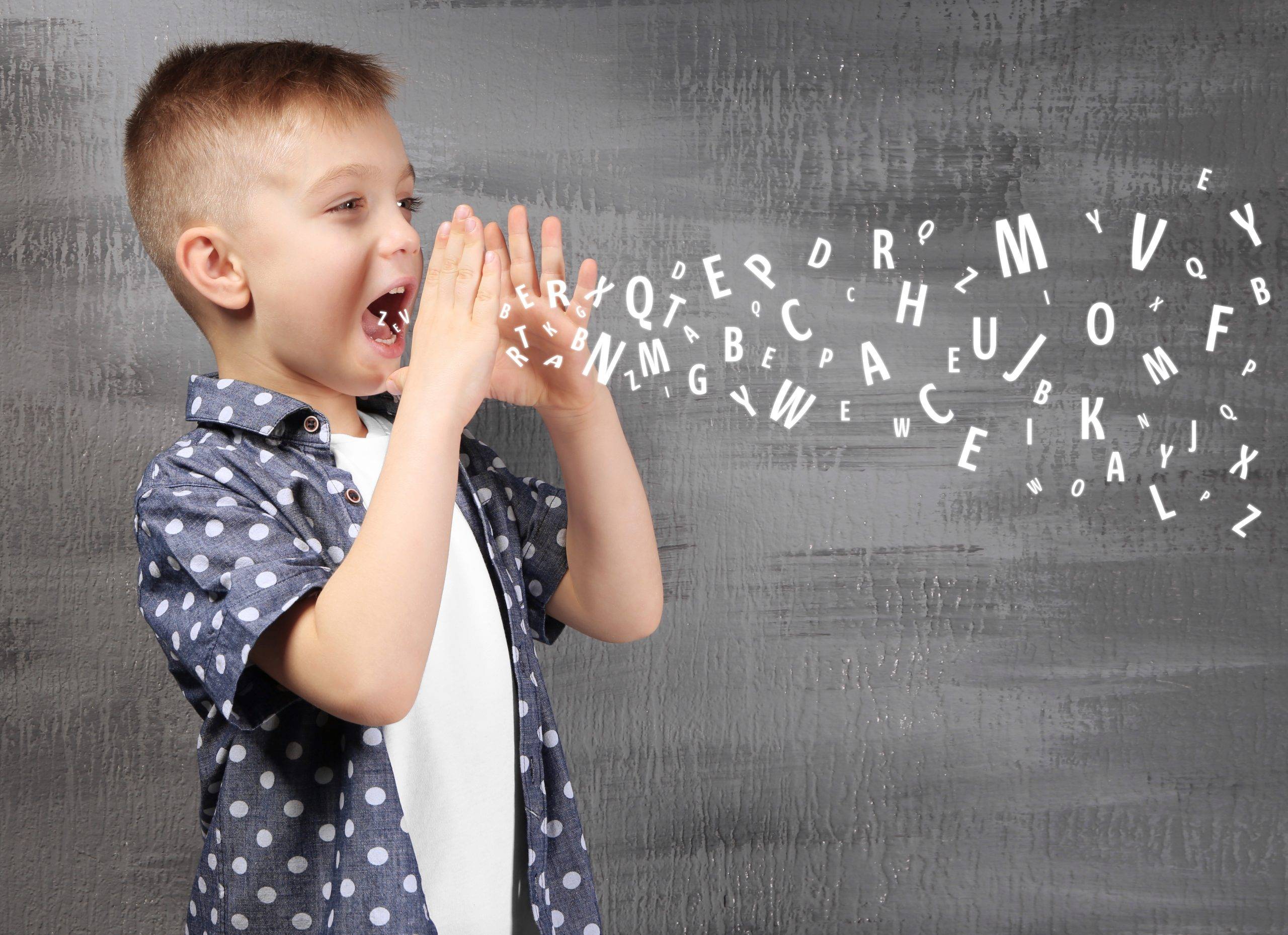
The Voice of the Child is a phrase used to describe the real involvement of children. Children should have the opportunity to describe things from their point of view. They should be continually involved, and have information fed back to them in a way that they can understand. The participation of a child in matters affecting them in a divorce or separation is essential according to the Children’s Act 38 of 2005.
The ‘best interest of the child’ and the ‘voice of the child’ principles are used, so that an understanding about the child and their capacity can be formed by the court. Giving children a voice promotes self-esteem and self-worth. By giving children a voice through choice, opinion, feelings and emotions children can develop and learn that they are important and valued.
The focus of the ‘voice of the child’ is to –
- understand the child’s world and all their role-playing systems;
- understand the child’s socio-emotional functioning within these systems; and
- hear the child’s emotional experience of these systems.
The Children’s Act addresses the best interest of the child standard and the right of the child to participate and express their views in all matters that affect them, as well as their right to be heard in official legal proceedings.
Section 10 of the Children’s Act states that :
“Every child that is of such an age, maturity and stage of development as to be able to participate in any matter concerning that child has the right to participate in an appropriate way and views expressed by the child must be given due consideration.”
Section 31(1)(a) of the Children’s Act states that :
“Before a person holding parental responsibilities and rights in respect of a child takes any decision contemplated in paragraph (b) involving the child, that person must give due consideration to any views and wishes expressed by the child, bearing in mind the child’s age, maturity and stage of development.”
There are a number of growing concerns, regarding the effects of divorce on the child. These effects include –
- feelings of anxiety and feelings of having no control, which include changes, uncertainty, and conflict;
- feeling unsafe – the fight, flight or freeze scenario;
- psychosomatic symptoms;
- grief and loss;
- insecurity, for example, separation anxiety;
- fear of abandonment and personal rejection;
- loneliness, helplessness and depression;
- isolation;
- guilt;
- low self-esteem or an unhealthy sense of self;
- dissociation;
There is a need for a child to be raised within a stable family environment. Where necessary a professional will be appointed to conduct an assessment and prepare a report based on the voice of the child. The professionals mandate when performing an assessment is to :
- See the world through the eyes of the child.
- Explore and understand all the aspects and factors that influence the child’s world and to understand the current way they experience being in that world.
- Convey and inform by ensuring that the child’s needs and/or wishes are communicated and understood by the parents.
- Induce change by informing both the parents and the child regarding the decision-making process with creative solutions
When children and young people learn to communicate opinions, take responsibility and make decisions, they develop a sense of belonging.
For direct answers to your specific personal questions, please contact us directly.
Read more about our child law services.
Author – Kate Bailey – Hill