As South Africa slowly starts to recover from the insurmountable effects of the COVID-19 pandemic yet another atrocity has emerged, this time in the form of human rights abuse and money laundering.
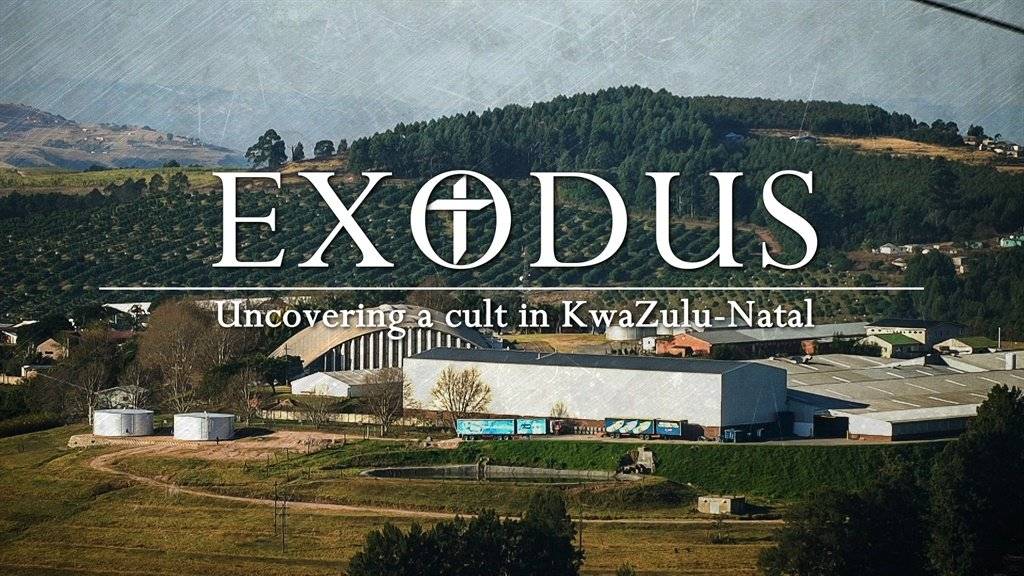
Kwasizabantu Mission is the most recent organisation to have been hit by serious allegations, which allegations include some of its Church members having suffered physical, sexual and psychological abuse. The Kwasizabantu Mission which owns Ekhamanzi Springs and produces aQuellé bottled water and which owns an agricultural business that supplies major retailers with vegetables has recently been put under the spotlight. The reality is that, even in the short term, the allegations against the Kwasizabantu Mission will have some kind of impact on people’s jobs and livelihoods.
In response to the allegations made against the Kwasizabantu Mission, many large retailers such as Woolworths, Spar, Massmart (Makro and Game) and Food Lover’s Market have severed ties or suspended orders with suppliers linked to the Mission.
Whilst the matter and the allegations are currently being investigated the dilemma still remains that many hundreds of workers and employees of the Kwasizabantu Mission could face losing their jobs which in turn would have an enormous knock on effect on our country’s economy.
At this stage one cannot even begin to comprehend the severe physical and psychological abuse which some of the Mission’s Church members have been subjected to, and only time will tell whether the atrocities of the Mission are just that, “allegations” or the “truth”.
Whatever the outcome is, the impact on society from a socio-economic perspective is going to be devastating. Whilst South Africa continues to fight the long term effects of the Covid-19 pandemic the recent allegations against the Kwasizabantu Mission is another in the long line of companies which has put under the spotlight in a time when what our country actually needs is some hope, peace and unification.
Author – Kate Bailey – Hill