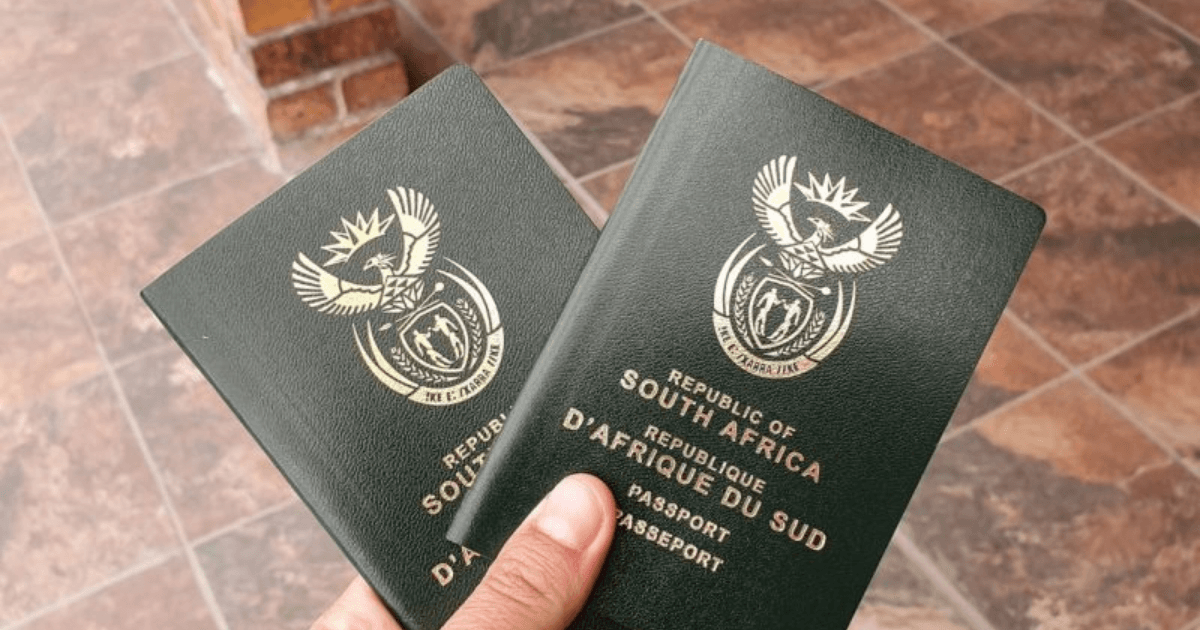
Let’s be honest about why we really enter into customary law marriages. We do it because of love, heritage and the deep desire to honour our traditions. It is a matter of the heart. But here is the hard truth I have learned from thirty years on the front lines of family law: without the right legal steps, that beautiful union can leave you without a voice when you need it most.
In my view, the law must serve the human heart, not crush it. Yet many couples are unsure about what makes a customary marriage legally valid or they only discover gaps in compliance when problems arise later. Issues often surface during divorce, inheritance disputes or estate administration. At that core moment, the question is no longer about tradition. It becomes a harsh inquiry into proof, rights and legal standing.
At BA Attorneys, I know that marrying the black-and-white law with the colour of human emotion can feel overwhelming. That is why I have gathered this comprehensive guide to help you understand exactly what is involved in formalising your customary law marriage. Whether you are planning a new marriage or want to ensure your existing union is legally recognised, we need to ensure your marriage is as legally secure as it is culturally rich.
What is a Customary Law Marriage?
A customary law marriage is a marriage concluded in accordance with the traditions and customs of a specific indigenous African community. In South Africa, these unions are formally recognised under the Recognition of Customary Marriages Act 120 of 1998. To be valid, the marriage must be negotiated and celebrated according to customary law and both spouses must be 18 or older and give free consent.
Understanding the Legal Landscape
The Recognition of Customary Marriages Act came into effect to ensure that customary unions receive the same legal protection as civil marriages. Before this Act, many customary marriages were not adequately protected which resulted in terrible uncertainty around spousal rights, particularly for women. The Act changed this by setting clear requirements for validity and confirming the legal consequences of such marriages.
Today, a valid customary marriage gives both spouses enforceable rights relating to property ownership, inheritance, maintenance, divorce and parental responsibilities. However, legal recognition is not automatic. We must ensure specific conditions are met to place a legal shield around your family.
Step 1: Consent Is About Your Voice
The first requirement for a valid customary marriage is free and informed consent. Consent is about your voice. In my view, a marriage without genuine and free consent is a violation of your identity. We ensure our clients have the power to say ‘yes’ on their own terms.
Both prospective spouses must agree willingly to enter into the marriage. Consent must be genuine and given without pressure from family members or community expectations. Courts take this requirement seriously, especially in cases where a marriage is disputed later.
When a Spouse is a Minor If either spouse is under the age of 18, additional safeguards apply to protect the vulnerable.
- Consent must be obtained from both parents or a legal guardian.
- If parental consent cannot be obtained, section 25 of the Marriage Act allows the commissioner of child welfare to provide consent provided the marriage is in the best interests of the minor.
Failure to meet these consent requirements can place the validity of the marriage at risk and may affect later claims involving property or inheritance.
Step 2: Meeting the Age Requirements
In South Africa, the minimum age to enter into a customary marriage is 18 years. This requirement exists to ensure that both spouses have the legal capacity to marry and fully understand the consequences of the union.
If a marriage is entered into without meeting the age requirement, it may be declared invalid. This can have far-reaching consequences, particularly if children are born from the relationship or if the marriage later ends. Stability is our north star here; we do not want to build a future on shaky legal foundations.
Step 3: Customary Negotiations and Cultural Practices
If you are wondering how to formalise a customary marriage but are worried about the legalities entailed, remember that it is not created by agreement alone. The marriage must be negotiated, entered into or celebrated according to customary law.
While practices differ across communities, this stage generally involves:
- Discussions between the families of both spouses.
- Agreement on lobola or similar arrangements.
- A customary ceremony or the formal handing over of the bride.
Courts often look at whether these steps took place when determining whether a customary marriage exists. There is no single ritual that applies to all cultures and the law recognises this diversity. What matters is that the marriage was concluded in a way that is consistent with the traditions of the relevant community.
Step 4: Checking for Legal Impediments
Before a customary marriage can be valid, both parties must be legally free to marry. One of the most common problems arises where one party is already married under civil law.
A person who is civilly married cannot enter into a customary law marriage unless the civil marriage has been legally dissolved through divorce or death. Any customary marriage entered into while a civil marriage still exists is regarded as void from inception. This means it has no legal effect at all. This issue often comes to light years later, creating mayhem and a vibe of deception when a spouse passes away and disputes arise over inheritance.
Step 5: Why Registration Matters
Although registration is not required for validity, it is one of the most important steps couples can take. Customary marriages entered into after the Recognition Act should be registered at Home Affairs within three months of being concluded.
The Benefits of Registration Registration provides clear and official proof that the marriage exists. This becomes especially important in situations involving:
- Divorce proceedings.
- Estate administration after death.
- Pension and employment benefits.
- Medical aid membership.
- Property ownership disputes.
Where a marriage is not registered, a spouse may be forced to rely on witness statements or family testimony to prove the existence of the marriage. This can be time-consuming, costly and emotionally draining. Registration reduces uncertainty and strengthens legal protection for both spouses.
The Heart of the Matter: Property Regimes
Property ownership is one of the most significant legal consequences of marriage. Many couples entering into customary marriages are unsure how property will be treated during the marriage or if it ends.
Under South African law, monogamous customary marriages are regarded as marriages in community of property unless a valid antenuptial contract provides otherwise. This means:
- Both spouses share a joint estate.
- Assets and debts acquired during the marriage belong to both spouses equally.
- Major financial decisions require consent from both parties.
Understanding this is essential, particularly for spouses who own property or operate businesses.
Women’s Property Rights and the Gumede Judgement
For many years, women in customary marriages were disadvantaged when it came to property ownership. This changed following the landmark case Gumede (born Shange) v President of the Republic of South Africa and Others (2008).
Before this decision, women in customary marriages entered into before the Recognition Act could be excluded from their husband’s estate if the marriage ended. The Constitutional Court ruled that this legal position was unconstitutional and discriminatory.
What the Judgement Confirmed:
- All monogamous customary marriages are treated as marriages in community of property.
- This applies regardless of when the marriage was concluded.
- Women have equal ownership and control of marital property.
- Equal rights apply during the marriage and upon divorce.
This Judgement brought customary marriages in line with constitutional principles and modern family law. It was a victory for the human heart against rigid, outdated structures.
Divorce and Customary Law Marriages
A customary law marriage can only be dissolved by a court order. Family agreements or informal separation do not end the marriage in law. When a divorce is granted, the court will deal with the division of the joint estate, maintenance obligations and care and contact arrangements for minor children.
Because most customary marriages are in community of property, divorce often involves a detailed financial analysis. This includes identifying assets, debts and contributions made by each spouse.
Inheritance and Estate Planning
Customary law marriages have important implications for inheritance. A surviving spouse in a valid customary marriage is recognised as a legal heir. This means they may inherit under the Intestate Succession Act if the deceased spouse did not leave a will.
Problems often arise where:
- The marriage was never registered.
- Extended family members dispute the marriage.
- Multiple marriages are alleged.
Having clear proof of the marriage significantly reduces the risk of disputes during estate administration. Do not leave your loved ones in a coffin of legal uncertainty; ensure your documentation is in order.
Common Customary Marriage Disputes
Despite clear legal rules, disputes still arise. Some of the most common include disagreement over whether a valid marriage exists, conflicting family versions of customary practices, lack of Home Affairs registration, property disputes during divorce and inheritance challenges after death.
Many of these disputes could be avoided with early legal advice and proper documentation.
My Advice: Steps to Protect Your Future
Here is my practical guidance for couples to marry the two together—tradition and legal certainty. If you are entering into, or are already in, a customary marriage, taking a few practical steps can go a long way in protecting your legal position.
- Gather your evidence and verify consent. The first step is to ensure that both spouses have given free and informed consent and that the legal age requirements have been met. Where a spouse is under the age of 18, the necessary parental or legal permissions must be in place to avoid any future challenge to the validity of the marriage.
- Go through the proper cultural channels. It is equally important to make sure that the marriage is concluded in accordance with the customary practices of your community. This usually involves family negotiations, agreement on lobola and the performance of any recognised traditional ceremonies. These practices are often relied on as proof that a valid customary marriage exists, especially where registration has not yet taken place.
- Confirm your legal status. Before proceeding, both parties should also confirm that there are no legal barriers to the marriage. In particular, neither spouse should be married under civil law unless that marriage has been legally dissolved. Overlooking this requirement can result in a marriage being legally invalid from the outset.
- Register at Home Affairs immediately. Registering the marriage at Home Affairs is another key step. I always tell my clients: “Registering your marriage at Home Affairs isn’t just paperwork. It’s about giving your future self a voice. When you have that certificate, you aren’t just another statistic; you have the proof you need to fight for your inheritance or your home when life gets complicated”.
- Understand your property regime. Finally, both spouses should have a clear understanding of how property and debt are shared in a customary marriage, especially given that most such marriages are in community of property. Together, these steps provide clarity, reduce uncertainty and create legal certainty for the future.
Why Formalisation Matters
Formalising a customary law marriage is not about replacing tradition with paperwork. It is about ensuring that the marriage receives full legal recognition and that both spouses are protected under South African law.
When a marriage is properly recognised, it provides certainty during divorce, the death of a spouse, property transactions and estate planning. Without formalisation, spouses may be left vulnerable during moments when legal clarity matters most.
Frequently Asked Questions
No, registration is not strictly required for the validity of a customary marriage in South Africa. However, failure to register can make it difficult to prove the marriage exists during divorce, inheritance claims or when applying for spousal benefits. Registration is highly recommended for legal security.
Yes, South African law recognises polygamous customary marriages if they are celebrated according to customary law. However, for the second or subsequent marriage to be valid, the husband must apply to the court to approve a written contract regulating the future matrimonial property system of his marriages.
Because most monogamous customary marriages are automatically in community of property, the joint estate is usually divided equally between the spouses upon divorce. This includes all assets and debts acquired before and during the marriage, unless an antenuptial contract states otherwise.
I Now Pronounce You Legally Equipped
To pursue a customary law marriage, one must understand the deep cultural meaning but it also carries serious legal consequences. Understanding the legal framework is essential for protecting spousal rights, property interests and family stability.
By meeting the requirements for consent, age, customary practices and registration, couples ensure that their marriage is both culturally recognised and legally secure.
I now pronounce you… legally equipped. But remember, you do not have to walk this path alone. Whether you are entering a new union or securing an old one, BA Attorneys stands with you to ensure your marriage has both a heart and a legal shield. Let us rise together and protect your future.
Clear planning today can prevent disputes tomorrow and provide peace of mind for the future. Contact BA Attorneys today to ensure your customary marriage is legally recognised and your rights are fully protected.