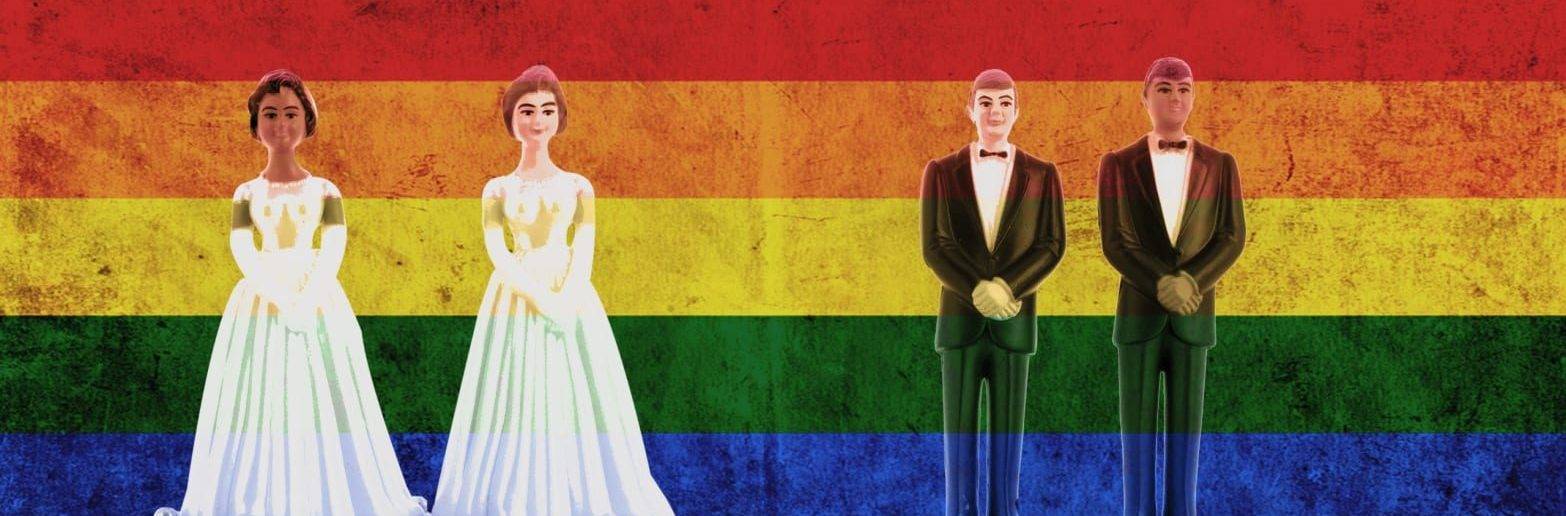
The Constitutional Court in 2005 found the exclusion of same-sex marriage in the Marriage Act to be unconstitutional and directed Parliament to rectify this issue within 12 months. Instead of amending the Marriage Act to include same-sex marriage, Parliament created the Civil Union Act.
There was prevailing political pressure to oppose same-sex marriage at the time, which influenced this judgment.
While the Civil Union Act provided a legal avenue for same-sex couples to solemnise their relationships, there are important differences between a civil union and a civil marriage that still create challenges for same-sex couples.
Key Differences Between Civil Unions and Civil Marriages
For example, a civil union marriage requires both parties to be at least 18 years old, without exception. By contrast, a heterosexual marriage in South Africa can include minors with written permission from parents, legal guardians, or a commissioner of child welfare. In cases where the boy is under 18 and/or the girl under 15, written permission from the Minister of Home Affairs is also mandatory.
There is currently no provision for minors to enter into a civil union, which highlights one of the ways in which civil unions differ from traditional civil marriages. Since the Marriage Act was not amended simultaneously with the Civil Union Act, this distinction reflects legal gaps rather than evolving social norms.
Marriage officers may also object to officiating a civil union based on conscience, religion, or personal belief. This has created difficulties for same-sex couples in South Africa, as it is often challenging to find a willing marriage officer nearby.
Understanding Civil Marriage in South Africa
A civil marriage in South Africa is a legally recognised union between two people, whether same-sex or opposite-sex, solemnised according to the Marriage Act. Questions such as what does civil marriage mean or what is civil marriage in South Africa often arise for couples planning their legal commitments.
Civil marriages provide a framework for how assets, debts, and spousal responsibilities are handled. When choosing between a civil marriage or civil union, it is essential to understand the legal, financial, and social implications. Couples should also be aware of the type of marriage civil options available, including marriages in-community of property, out-of-community of property, and those including accrual systems.
Civil Unions in South Africa
A civil union marriage in South Africa allows same-sex couples to solemnise their relationships with full legal recognition. Essentially, a civil union functions similarly to a civil marriage in terms of rights and responsibilities, but it remains a distinct legal category designed to address the constitutional rights of same-sex couples.
While South Africa’s Constitution provides strong protections for same-sex couples, the interplay of legal distinctions, political factors, and societal attitudes continues to influence access to civil unions and marriage officers.
If your rights are being infringed upon or you need guidance regarding a civil union or civil marriage, we specialise in both. For more information about same-sex marriage, please view our detailed guide here: Same-Sex Marriages.
FAQ
- What is a civil union marriage in South Africa?
A legally recognised union, mainly for same-sex couples, with rights similar to a civil marriage. Heterosexual couples can also choose it. - What is the difference between a civil marriage and a civil union?
Civil marriages follow the Marriage Act for all couples. Civil unions are mainly for same-sex couples and have different legal requirements. - Why is it important to understand civil unions and civil marriages?
Knowing the differences helps couples understand their legal rights, property, and responsibilitie
Author – Murray Taylor